Bp Irinej: Schismatics remain where they were before "recognition" of Fanar
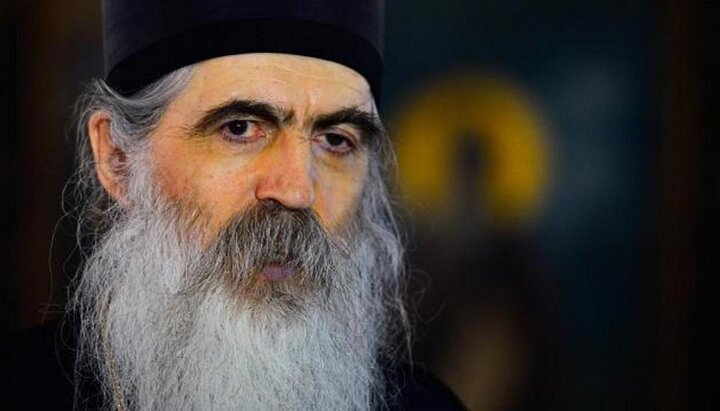
Bishop Irinej (Bulovic) of Bačka. Photo: spc.rs
The schismatics remain where they were before they were "recognized" by Phanar. Bishop Irinej (Bulovic) of Bačka of the Serbian Orthodox stated this in the "Pechatu" newspaper, according to the official website of the Serbian Orthodox Church.
In a detailed interview with the publication, the Serbian hierarch noted the similarity of the religious situation in Ukraine and Montenegro.
"In both cases, the Ukrainian and Montenegrin people, however, most convincingly showed the anti-church ‘church leaders’ their place, and the schismatics are more or less where they were before the non-canonical intervention of Constantinople and their legalization, not recognized at the level of Universal Orthodoxy," noted the Serbian bishop.
According to him, the state of ecclesiastical affairs in Montenegro is nothing more than a miniature picture of the situation in Ukraine, but with some differences.
“In both cases, national ‘engineering’ has been put in place. In Montenegro, this seems like a desperate attempt to permanently affirm a newly shaped Montenegrin identity based on the relinquishing of Serbian roots and the centuries-old Serbian identity of the Montenegrins,” the hierarch emphasized.
Bishop Irninej noted that in Montenegro, certain politicians are trying, if not to eradicate the very existence of the Serbian people, then to reduce it "to an insignificant, helpless and powerless national minority." He sees a similar situation in Ukraine despite the fact that "the oldest historical name of the great East Slavic country Rus" is retained today both in the title of Patriarch of Moscow and in the title of the schismatic "Patriarch of Kyiv" (Filaret – Ed.).
The bishop recalled that the identity of a nation is based on the native language, history, traditions, mentality and common spiritual, primarily religious affiliation. But "the designers and engineers of new nations in the 20th and 21st centuries, most often atheists or agnostics, came to the idea that they should either enslave and use the existing Church in their machinations or, if this is not possible, establish a new ‘Church’.”
The bishop of Bačka pointed out that “they do it according to the principle of ‘give what you give’, not caring about any rules or at least about ecclesiastical and legal regulations, but at the same time grossly falsifying historical facts and attributing nonexistent historical continuity to their pseudo-ecclesiastical or ecclesiastical creations." This is the case both in Ukraine and in Montenegro.
Earlier, the UOJ reported that, according to the Serbian Patriarch, no one can keep the Church in their pocket and use it for personal needs.
Lexo gjithashtu
Në Vatikan u mbajt koncert në kujtim të Patriarkut Ilia II
Kori i Qendrës Shtetërore të Muzikës së Batumit dha një koncert solo në kishën e Shën Agathës, me diplomatë nga 30 vende dhe përfaqësues të diasporës gjeorgjiane.
Pse ortodoksët festojnë Lindjen e Krishtit në data të ndryshme
Dallimi mes kalendarit julian dhe atij gregorian prek lutjen, agjërimin dhe kujtesën e kishës, duke ngritur pyetje mbi unitetin ortodoks.
Kronika e takimit të Kievit 2018 rihap debatin kishtar ukrainas
Dokumenti i publikuar nga UOJ America dhe kundërshtimet kanonike të Kishës së Shqipërisë kërkojnë një lexim të kujdesshëm të fakteve dhe interpretimeve.
Kishat Lokale dyshojnë për hirotonitë e KOU-së pas deklaratës së Dumenkos
Kreu i KOU-së tha se nuk do ta pranojë kurrë mungesën e gradës, ndërsa disa Kisha Ortodokse Lokale ngrenë çështjen e vazhdimësisë apostolike të hirotonive.
Të rinj ndërprenë një meshë katolike në Vjenë duke thirrur “Allahu Akbar”
Famullitari tha se nuk pati rrezik dhe se bëhej fjalë ndoshta për gjallëri rinore, ndaj nuk do të bëjë denoncim në polici.
Radev dhe Patriarku Bartolome diskutuan rolin e besimit për unitetin shoqëror
Kryeministri bullgar tha se feja ortodokse ruan vlerat morale dhe bashkon shoqërinë, gjatë takimit me Patriarkun Ekumenik në prani të Patriarkut Daniel.