Expert: Law 3894 presents several rule of law issues
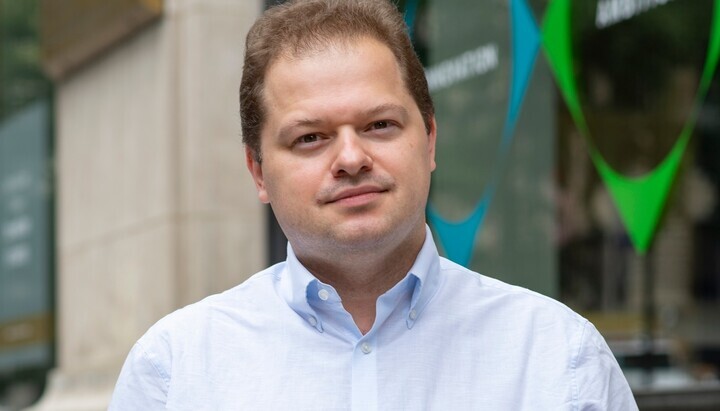
Dmytro Vovk. Photo: Facebook Dmytro Vovk
Dmytro Vovk, a Ph.D. in Law and Director of the Center for the Rule of Law and Religion Research, has criticized the new law aimed at banning or restricting the activities of the Ukrainian Orthodox Church (UOC), calling it a document that contradicts fundamental freedoms of religion, reports Ukrinform.
According to Vovk, the law was adopted amid a consensus among Ukrainians about the need to ban the UOC as part of efforts to safeguard national security and promote the concept of "spiritual independence". However, he noted that the law is primarily targeted at a domestic Ukrainian audience and is part of a broader campaign to sever ties with Russia.
The main issue with the law, Vovk pointed out, is that it does not align with international human rights standards, which prohibit the dissolution of religious organizations solely based on their canonical ties. A ban is permissible only if there is proven unlawful behavior by the organization. The state must provide evidence of systemic violations rather than isolated cases of misconduct by individual members.
The expert highlighted that, to date, Ukrainian courts have issued approximately 50 convictions against UOC clergy, most of which involve hate speech or justifying Russian aggression. However, these cases are insufficient to justify a complete ban. He emphasized that liquidating the UOC, which comprises nearly 8,000 communities and 10,000 clergy, would be a disproportionate measure. The state should penalize individual offenders, not the entire organization.
Additionally, the law contains problematic provisions regarding the rule of law, such as a simplified procedure for the judicial dissolution of religious communities.
"In the event of the UOC's dissolution, Ukraine’s religious landscape would change significantly. The creation of a unified Orthodox Church, if it occurs, could intensify pressure on religious minorities, which is present to varying degrees in all countries with an Orthodox majority and which Ukraine has avoided thanks to division and competition within the Orthodox Church," Vovk noted.
The Director of the Center for the Rule of Law and Religion Research also stressed that the law already serves as a signal to local authorities and activists that UOC communities are effectively banned, further exacerbating conflicts in the religious sphere. He believes these conflicts could pose a significant challenge for the state.
As previously reported by the UOJ, political analyst Kostiantyn Bondarenko is confident that UOC believers will endure persecution, as they have in the past.
Lexo gjithashtu
Në Vatikan u mbajt koncert në kujtim të Patriarkut Ilia II
Kori i Qendrës Shtetërore të Muzikës së Batumit dha një koncert solo në kishën e Shën Agathës, me diplomatë nga 30 vende dhe përfaqësues të diasporës gjeorgjiane.
Pse ortodoksët festojnë Lindjen e Krishtit në data të ndryshme
Dallimi mes kalendarit julian dhe atij gregorian prek lutjen, agjërimin dhe kujtesën e kishës, duke ngritur pyetje mbi unitetin ortodoks.
Kronika e takimit të Kievit 2018 rihap debatin kishtar ukrainas
Dokumenti i publikuar nga UOJ America dhe kundërshtimet kanonike të Kishës së Shqipërisë kërkojnë një lexim të kujdesshëm të fakteve dhe interpretimeve.
Kishat Lokale dyshojnë për hirotonitë e KOU-së pas deklaratës së Dumenkos
Kreu i KOU-së tha se nuk do ta pranojë kurrë mungesën e gradës, ndërsa disa Kisha Ortodokse Lokale ngrenë çështjen e vazhdimësisë apostolike të hirotonive.
Të rinj ndërprenë një meshë katolike në Vjenë duke thirrur “Allahu Akbar”
Famullitari tha se nuk pati rrezik dhe se bëhej fjalë ndoshta për gjallëri rinore, ndaj nuk do të bëjë denoncim në polici.
Radev dhe Patriarku Bartolome diskutuan rolin e besimit për unitetin shoqëror
Kryeministri bullgar tha se feja ortodokse ruan vlerat morale dhe bashkon shoqërinë, gjatë takimit me Patriarkun Ekumenik në prani të Patriarkut Daniel.