American media: UOC is "related" to ROC just like other Local Churches
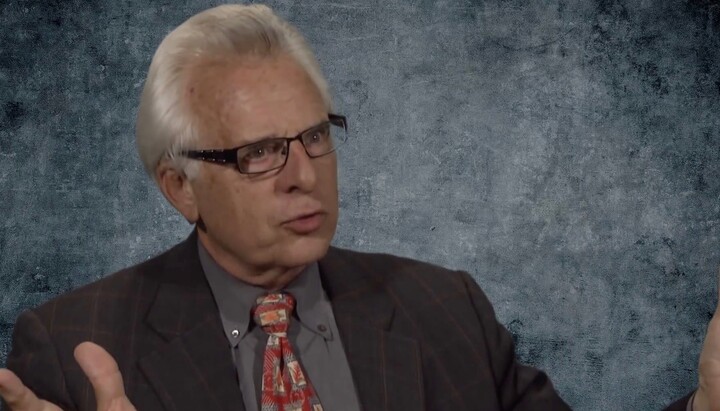
Wesley J. Smith. Photo: evolutionnews.org
Wesley J. Smith, an American legal expert and writer, a senior fellow at the Discovery Institute’s Center on Human Exceptionalism, has explored what canonical connection truly means. In his article for the National Review, he explains that the Ukrainian Orthodox Church (UOC) is "connected" to Russia only insofar as it is similar to the "Greek, Serbian, Romanian, Antiochian, and other Churches, which are all one Church."
"Although the Local Council of the Ukrainian Orthodox Church voted to separate itself from the Moscow Patriarchate already in May 2022, as reflected in the Church’s updated statutes [full text of the statutes available here], the Ukrainian state continues to brand it as a Russian Church as a justification for its persecution of the Church," he writes.
Smith notes that there is the Orthodox Church of Ukraine (OCU), which has been recognized as the national church of Ukraine by the Ecumenical Patriarch of Constantinople, "first among equals" among all Orthodox bishops, yet not the pope, and Zelensky considers the OCU loyal.
"The dispute about whether the Ukrainian Orthodox Church or the Orthodox Church of Ukraine legitimately represents Ukrainian Orthodoxy is a matter for the Orthodox Church to work out. Indeed, the UOC remains canonical within most of international Orthodoxy, as are the Russian, Greek, Serbian, Romanian, Antiochian, etc., churches. It’s all one church, even if relations among the different administrative 'jurisdictions' can become, well, Byzantine," the article states.
The legal expert emphasizes that the Ukrainian government should not decide which church is "legitimate" and which is not, which can operate openly, and which should be suppressed.
"This is a grievous mistake," he asserts. "If there are members of the UOC who can be shown to be helping Russia, by all means, deal with those individuals legally. But banning a church and forcing it out of its monasteries and other religious institutions because it is part of the same overarching international religious institution as the state church of its enemy is not the act of a country dedicated to defending liberty."
The author believes that this law, if enacted, will not harm Russia but will "divide Ukrainians along religious lines and victimize innocent Christians who are not aiding Russia in its aggression." Smith also hopes that Zelensky will veto the bill.
As reported by the Union of Orthodox Journalists, earlier, an American media outlet discussed the significance of canons for the UOC.
Lexo gjithashtu
Në Vatikan u mbajt koncert në kujtim të Patriarkut Ilia II
Kori i Qendrës Shtetërore të Muzikës së Batumit dha një koncert solo në kishën e Shën Agathës, me diplomatë nga 30 vende dhe përfaqësues të diasporës gjeorgjiane.
Pse ortodoksët festojnë Lindjen e Krishtit në data të ndryshme
Dallimi mes kalendarit julian dhe atij gregorian prek lutjen, agjërimin dhe kujtesën e kishës, duke ngritur pyetje mbi unitetin ortodoks.
Kronika e takimit të Kievit 2018 rihap debatin kishtar ukrainas
Dokumenti i publikuar nga UOJ America dhe kundërshtimet kanonike të Kishës së Shqipërisë kërkojnë një lexim të kujdesshëm të fakteve dhe interpretimeve.
Kishat Lokale dyshojnë për hirotonitë e KOU-së pas deklaratës së Dumenkos
Kreu i KOU-së tha se nuk do ta pranojë kurrë mungesën e gradës, ndërsa disa Kisha Ortodokse Lokale ngrenë çështjen e vazhdimësisë apostolike të hirotonive.
Të rinj ndërprenë një meshë katolike në Vjenë duke thirrur “Allahu Akbar”
Famullitari tha se nuk pati rrezik dhe se bëhej fjalë ndoshta për gjallëri rinore, ndaj nuk do të bëjë denoncim në polici.
Radev dhe Patriarku Bartolome diskutuan rolin e besimit për unitetin shoqëror
Kryeministri bullgar tha se feja ortodokse ruan vlerat morale dhe bashkon shoqërinë, gjatë takimit me Patriarkun Ekumenik në prani të Patriarkut Daniel.