Church commemorates St Theodosius of the Caves
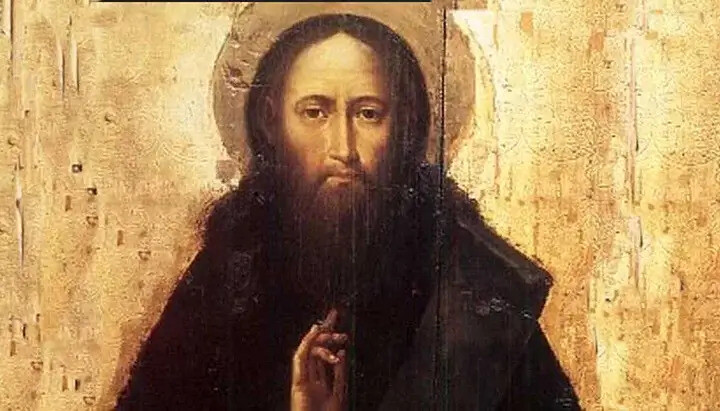
St Theodosius of the Caves. Photo: Vasylkiv.info
St Theodosius of the Caves was born in Vasylkiv, not far from Kyiv. From an early age he strove for an ascetic life.
He persuaded his parents to allow him to study sacred books, and with his excellent abilities and rare diligence, he quickly became literate, astonishing everyone with his intelligence.
At the age of 14, he lost his father and was left under the care of his mother—a strict and authoritative woman who deeply loved her son. His mother did not favour his aspirations for asceticism, but he was steadfast in his desire to dedicate himself to God.
At 23, Theodosius secretly left his parental home and, with the blessing of Saint Anthony, took monastic tonsure at the Kiev Caves Monastery with the name Theodosius. Four years later, his mother found him and tearfully begged him to return home, but the saint persuaded her to stay in Kiev and take monastic vows at Saint Nicholas’s Monastery on Askold's Grave.
St Theodosius laboured in the monastery more than others, often taking on the tasks of his brethren: carrying water, chopping wood, grinding rye, and delivering flour to each monk. On hot nights, he would expose his body to mosquitoes and gnats, letting blood flow from the bites, yet he patiently continued his handiсraft and sang psalms.
In 1054, Theodosius was ordained a hieromonk, and in 1057 he was elected abbot.
His reputation for piety attracted many monks to the monastery, where he built a new church and cells and introduced the Studite monastic rule, which was copied from Constantinople at his request. As abbot, Theodosius continued to perform the most difficult tasks in the monastery.
The abbot of the Kiev Caves Monastery used to eat only dry bread and boiled greens without oil. His nights were spent in sleepless prayer, often observed by the brethren, though the chosen one of God tried to hide his feat from others. No one saw Theodosius sleep lying down; he usually rested while sitting. During Great Lent, he would withdraw to a cave near the monastery. The saint was clothed in a hard vestment worn directly over his body, so that in this poor old elder one could hardly recognise the famous hegumen.
The Lord revealed to Theodosius the time of his death: the holy abbot passed away in 1074. The brethren buried him in a cave he had dug out for his solitary retreats during Lent. His relics were found in 1091; and in 1108, Theodosius was canonized.
The saint left behind a spiritual legacy: six teachings, two epistles to Grand Prince Iziaslav, and a prayer for all Christians.
The life of St Theodosius was written by his disciple, St Nestor the Chronicler.
As earlier reported, Saint Amphilochius was commemorated at the Pochaiv Lavra.
Lexo gjithashtu
Në Vatikan u mbajt koncert në kujtim të Patriarkut Ilia II
Kori i Qendrës Shtetërore të Muzikës së Batumit dha një koncert solo në kishën e Shën Agathës, me diplomatë nga 30 vende dhe përfaqësues të diasporës gjeorgjiane.
Pse ortodoksët festojnë Lindjen e Krishtit në data të ndryshme
Dallimi mes kalendarit julian dhe atij gregorian prek lutjen, agjërimin dhe kujtesën e kishës, duke ngritur pyetje mbi unitetin ortodoks.
Kronika e takimit të Kievit 2018 rihap debatin kishtar ukrainas
Dokumenti i publikuar nga UOJ America dhe kundërshtimet kanonike të Kishës së Shqipërisë kërkojnë një lexim të kujdesshëm të fakteve dhe interpretimeve.
Kishat Lokale dyshojnë për hirotonitë e KOU-së pas deklaratës së Dumenkos
Kreu i KOU-së tha se nuk do ta pranojë kurrë mungesën e gradës, ndërsa disa Kisha Ortodokse Lokale ngrenë çështjen e vazhdimësisë apostolike të hirotonive.
Të rinj ndërprenë një meshë katolike në Vjenë duke thirrur “Allahu Akbar”
Famullitari tha se nuk pati rrezik dhe se bëhej fjalë ndoshta për gjallëri rinore, ndaj nuk do të bëjë denoncim në polici.
Radev dhe Patriarku Bartolome diskutuan rolin e besimit për unitetin shoqëror
Kryeministri bullgar tha se feja ortodokse ruan vlerat morale dhe bashkon shoqërinë, gjatë takimit me Patriarkun Ekumenik në prani të Patriarkut Daniel.