UOC Chancellor speaks about current status of Ukrainian Orthodox Church
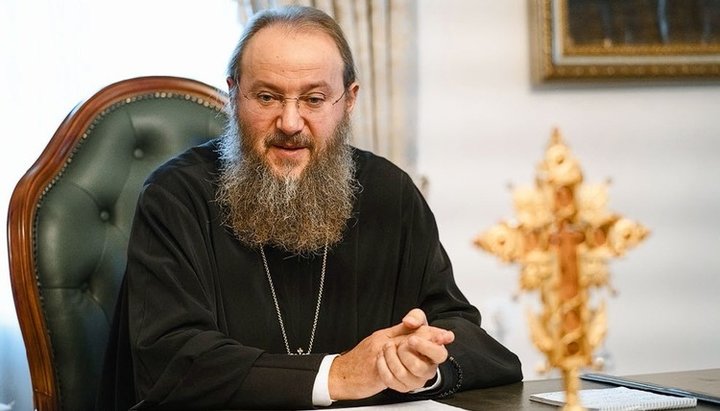
Metropolitan Anthony (Pakanich) of Boryspil and Brovary. Photo: foma.in.ua
October 27, 2020, marks the 30th anniversary of the signing by Patriarch Alexy II of the Certificate of Granting the Ukrainian Orthodox Church the status of an independent and self-governing Church with autonomy rights. Metropolitan Anthony of Boryspil and Brovary, UOC Chancellor, spoke about the status of the UOC and how this document influenced the life of Orthodox Christians in Ukraine in the “Church and Society” programme on the “Glas” TV channel.
The hierarch noted that the Kyiv Metropolis, in fact, from the very beginning of its creation, after the Christianization of Kievan Rus’, existed as an autonomous district, and this situation continued almost until the 18th century, until the reforms of Peter I, as a result of which "from an independent district the Kyiv Metropolis became an ordinary eparchy".
The restoration of the autonomous status of the Kyiv Metropolis took place at the Local Council of the Russian Orthodox Church in 1918, and “it was this Council that introduced the name of our Church as the Ukrainian Orthodox Church into circulation”. According to the regulation adopted at that time, the UOC "had its own Synod, could convene a Council, the bishops elected a candidate for the Kyiv Metropolitan." This, Vladyka Anthony emphasized, was a return to those rights and powers that the Church had enjoyed from the very beginning of its existence, but the period of atheistic rule did not give the UOC an opportunity to use them, and for almost the entire 20th century the Church existed in the status of the Ukrainian exarchate.
“Only at the end of the twentieth century did it become possible to return to the status that was determined by the Local Council of the Russian Orthodox Church in 1918,” he explained. “On October 27, 1990, the Council of Bishops of the Russian Orthodox Church granted the Ukrainian Orthodox Church an autonomous and independent status and returned it this name. That is almost a year before the formation of independent Ukraine, the UOC received the status that was already correlated with the new realities of the existence of our Church."
Since then, Metropolitan Anthony stressed, significant changes have taken place in the life of the UOC.
“The UOC lives according to its own Statute on governance, its administrative centre is the Kyiv Metropolis, that is, it is located in Kyiv, the capital of Ukraine, and not as our unscrupulous opponents say. The UOC independently determines the boundaries of its eparchies and elects bishops, independently canonizes saints for local veneration; it has its own church court,” the hierarch explained.
He added that the Ukrainian Orthodox Church as the Church of Christ, which is based on Church Tradition, has never followed the path of an anti-canonical structure.
“We do not hide the fact that both among the parishioners and among the priests and even the episcopate of our Church there are different views on our future,” said the head of the UOC. “Someone thinks that we need to move towards greater independence, but most members of the Church believe that its current status meets the realities of life and provides maximum opportunities for mission in our society. Discussion is normal, it shows that the UOC has a healthy body where there are different opinions, but in the main, we are going in one right direction."
Metropolitan Anthony stressed that the discussion about the future of the Church should be within the Church itself, and the essence of this discussion cannot be determined by any political ideologies and other external reasons.
“Because we are talking about the life of the Church. And the Church exists only for one thing – so that a person will never forget the path to God. ...> It is important that reforms are not for the sake of reforms, for the sake of some orders from outside. It is necessary to live a church life, and for many centuries the Church has learned to develop that method of managing internal life, which makes it possible to maximize the possibilities of the Church for its mission in modern society. It is important to understand that the Lord governs the Church, we are not the main actors in church life, we can only either hinder or, on the contrary, help, but God Himself rules the Church,” resumed the UOC Chancellor.
Earlier the UOC Chancellor explained how just and adequate is the requirement put forward to the Church “to be in the spirit of the times”.
Lexo gjithashtu
Në Vatikan u mbajt koncert në kujtim të Patriarkut Ilia II
Kori i Qendrës Shtetërore të Muzikës së Batumit dha një koncert solo në kishën e Shën Agathës, me diplomatë nga 30 vende dhe përfaqësues të diasporës gjeorgjiane.
Pse ortodoksët festojnë Lindjen e Krishtit në data të ndryshme
Dallimi mes kalendarit julian dhe atij gregorian prek lutjen, agjërimin dhe kujtesën e kishës, duke ngritur pyetje mbi unitetin ortodoks.
Kronika e takimit të Kievit 2018 rihap debatin kishtar ukrainas
Dokumenti i publikuar nga UOJ America dhe kundërshtimet kanonike të Kishës së Shqipërisë kërkojnë një lexim të kujdesshëm të fakteve dhe interpretimeve.
Kishat Lokale dyshojnë për hirotonitë e KOU-së pas deklaratës së Dumenkos
Kreu i KOU-së tha se nuk do ta pranojë kurrë mungesën e gradës, ndërsa disa Kisha Ortodokse Lokale ngrenë çështjen e vazhdimësisë apostolike të hirotonive.
Të rinj ndërprenë një meshë katolike në Vjenë duke thirrur “Allahu Akbar”
Famullitari tha se nuk pati rrezik dhe se bëhej fjalë ndoshta për gjallëri rinore, ndaj nuk do të bëjë denoncim në polici.
Radev dhe Patriarku Bartolome diskutuan rolin e besimit për unitetin shoqëror
Kryeministri bullgar tha se feja ortodokse ruan vlerat morale dhe bashkon shoqërinë, gjatë takimit me Patriarkun Ekumenik në prani të Patriarkut Daniel.