UOC Hierarch: To talk about primacy of the Greek nation is untenable
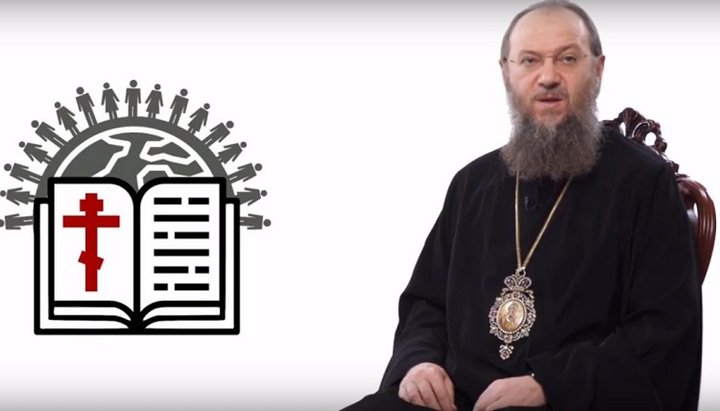
Metropolitan Anthony (Pakanich). Photo: screen video
National particularities should not be an occasion for the separation of the Church and certainly should not be an occasion for the arrogant exaltation of one nation over others. The Chancellor of the Ukrainian Orthodox Church, Metropolitan Anthony (Pakanich) of Boryspil and Brovary, spoke about it in the video project “Argument: Who is the Head of the Orthodox Church?”, published on the YouTube channel STAINED-GLASS: About Faith in Colors.
His Eminence Anthony named 9 basic principles that determine the relationship between bishops and governance issues in the Orthodox Church.
1. Unity is the principle of the existence of the Orthodox Churches: "The unity of the Orthodox Churches is the unity of brothers in Christ who live in different parts of the earth and bear in mind their spiritual kinship."
2. Christ is the Head of the Church: “When Christ sent his disciples to preach the Gospel, He did not designate any of them to be dominant over the rest. Each of the apostles received by lot a special area not for honor and profit but for preaching and witnessing the Truth.”
3. Rules for all without exception: “Guided by the spirit of fraternal love in the common cause of salvation, the Orthodox Church at the Ecumenical Councils established clear-cut canons all Local Orthodox Churches should be guided with.”
4. Do not wish your neighbor’s house: “In fact, Canon 2 of II Ecumenical Council says, “Bishops must not leave their own diocese and go over to churches beyond its boundaries.”
5. “The primacy of honor” ≠ the primacy of power: “Canon 3 of the same Council speaks of the primacy of honor, which the primate of Constantinople has in the Orthodox world. The primacy of honor – but not the primacy of power. Moreover, the foundation of such a high position of the Constantinople Bishop was nothing else but the proximity of his see in the new capital of the Roman Empire.”
6. The core primacy is the primacy in virtue: “Canon 36 of the Council of Trullo establishes the order of honor of the first four Patriarchates: of Constantinople, Alexandria, Antioch and Jerusalem, on the basis of which the diptych of the Local Churches is formed and replenished. The ecclesiastic rule establishes a special character of relations within the Orthodox world in a spirit full of Christian love and mutual respect.”
7. The preсedence of ethnic interests of ecclesiastic ones is a misconception: “The administrative division of the Ecumenical Church is built primarily on a territorial, rather than ethnic principle. Under normal conditions, Orthodox Christians of any nationality living in the same territory make up one parish and are spiritually guided by one diocesan bishop. For, in the words of the apostle Paul, "Here there is no Gentile or Jew, circumcised or uncircumcised, barbarian, Scythian, slave or free, but Christ is all, and is in all."
8. In the primary – unanimity, in the minor – diversity: “National peculiar features, of course, should be taken into account. For example, in the Ukrainian Orthodox Church there are dioceses where, if necessary, divine services are held in the language of local believers. But national particularities should not serve as an occasion for the separation of the Church, the Body of Christ. Nor should they be an excuse for the arrogant exaltation of one nation over others. Therefore, to speak in a manner of the Patriarch of Constantinople about the supremacy of the Greeks is inappropriate and unacceptable in the Church.”
9. There are no chosen people, there are those who belong to Christ: “The time of the God-chosen people is left in the Old Testament. Now we are all one nation, the flock of Christ.”
We will remind, earlier Metropolitan Anthony of Boryspil and Brovary explained that unity is one of the fundamental principles of the Church’s existence, and every Christian is a fighter for this principle.
Lexo gjithashtu
Në Vatikan u mbajt koncert në kujtim të Patriarkut Ilia II
Kori i Qendrës Shtetërore të Muzikës së Batumit dha një koncert solo në kishën e Shën Agathës, me diplomatë nga 30 vende dhe përfaqësues të diasporës gjeorgjiane.
Pse ortodoksët festojnë Lindjen e Krishtit në data të ndryshme
Dallimi mes kalendarit julian dhe atij gregorian prek lutjen, agjërimin dhe kujtesën e kishës, duke ngritur pyetje mbi unitetin ortodoks.
Kronika e takimit të Kievit 2018 rihap debatin kishtar ukrainas
Dokumenti i publikuar nga UOJ America dhe kundërshtimet kanonike të Kishës së Shqipërisë kërkojnë një lexim të kujdesshëm të fakteve dhe interpretimeve.
Kishat Lokale dyshojnë për hirotonitë e KOU-së pas deklaratës së Dumenkos
Kreu i KOU-së tha se nuk do ta pranojë kurrë mungesën e gradës, ndërsa disa Kisha Ortodokse Lokale ngrenë çështjen e vazhdimësisë apostolike të hirotonive.
Të rinj ndërprenë një meshë katolike në Vjenë duke thirrur “Allahu Akbar”
Famullitari tha se nuk pati rrezik dhe se bëhej fjalë ndoshta për gjallëri rinore, ndaj nuk do të bëjë denoncim në polici.
Radev dhe Patriarku Bartolome diskutuan rolin e besimit për unitetin shoqëror
Kryeministri bullgar tha se feja ortodokse ruan vlerat morale dhe bashkon shoqërinë, gjatë takimit me Patriarkun Ekumenik në prani të Patriarkut Daniel.