Italian canonist: RCC synods should be gender-balanced
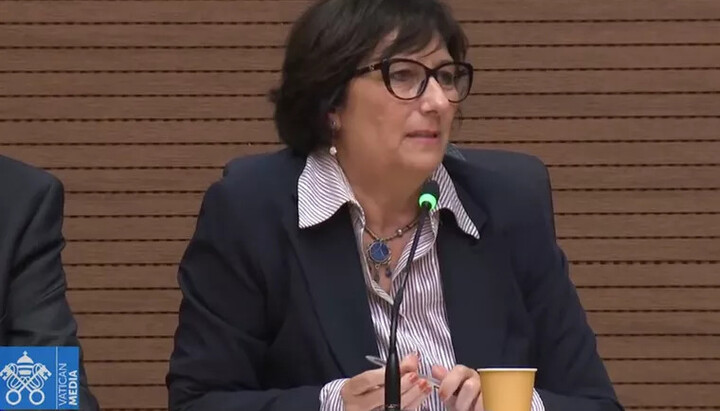
Donata Horak. Photo: National Catholic Register
At the official event of the Synod on Synodality, influential lawyer and expert in canon law Donata Horak said that the Catholic Church should be governed by gender-balanced synods, empowered to make decisions, not merely recommendations, reports the National Catholic Register.
The Italian canonist described the Church’s current approach to synods, in which votes are consultative but not deliberative, as “monarchical” and a “lonely vision of authority”. “It’s depreciative,” she said. “Coming from a democratic mentality, whoever has just a consultative vote does not count.”
Speaking at a theological forum in Rome, Horak pointed out the need to reform synodal bodies so that they proportionally reflect the church community and take into account professional backgrounds, abilities and especially differences in sex. “Synod organisms of the future must be representative of the People of God,” Horak added.
In Horak’s opinion, changes in canon law will allow the Church to overcome the contradiction between purely consultative synods and deliberative bodies. She called this problem the result of the 1983 Code of Canon Law of the Latin Church not fully considering the theology of the Second Vatican Council. “The contradiction in the Latin Church between purely consultative synods and deliberative councils does not belong to our tradition,” she stated and pointed to the fact that the Eastern Catholic Churches have synods with decision-making power.
While Horak emphasized that the Church cannot be a monarchy, she also said that this does not mean that the Church can embrace the “democratic model.” “Synodality is deeper than monarchy and democracy,” she said, noting differences in office and charism within the Church. “We really have to discover the dynamic of a deliberative vote distributed to different subjects and interministerial organisms.”
Proposing reforms, Horak suggested that popes could accept the final document approved by a synod as magisterial, listing the names of all who participated, which would be possible due to Pope Francis’ 2018 canonical changes to the Synod of Bishops in Episcopalis Communio. “This is a paradigm,” she said, “This should happen in all the consultative organisms.”
Although Horak is not participating in the work of the Synod, her speech garnered significant attention, given the discussion of changes in canon law within the synodal assembly.
As reported by the UOJ, the RCC Synod ruled out the possibility of ordaining women as deacons.
Lexo gjithashtu
Patriarku i Jeruzalemit uroi Gjeorgjinë për 1700-vjetorin e krishterimit
Theofili III theksoi trashëgiminë e krishterë gjeorgjiane, praninë e gjeorgjianëve në Tokën e Shenjtë dhe përgjegjësinë për brezat e ardhshëm.
Mitropoliti Onufri uroi Kishën Gjeorgjiane për 1700-vjetorin
Kreu i Kishës Ortodokse të Ukrainës i uroi Patriarkut Shio III dhe popullit gjeorgjian 1700-vjetorin e shpalljes së krishterimit fe shtetërore.
Papa Leoni XIV bekoi kullën e Krishtit të Sagrada Familias në Barcelonë
Kulla e Jezu Krishtit ka arritur 172,5 metra, një shekull pas vdekjes së Antonio Gaudit, ndërsa ndërtimi i bazilikës pritet të përfundojë në mesin e viteve 2030.
Pakistan: Gjykata e Lartë konfirmoi dënimin me vdekje për të krishterin Qaiser Ayub
Vëllai i tij më i ri, Amoon, u shpall i pafajshëm për mungesë provash, ndërsa Qaiser mbetet në burgun e Sahiwalit.
Arkeologët zbuluan në Jeruzalem ujësjellës që furnizonte Malin e Tempullit
Ujësjellësi i lashtë, ndërtuar nga Hasmonenjtë, sillte ujë nga burimet në jug të Betlehemit deri te Mali i Tempullit 2000 vjet më parë.
Deputetja e CDU-së paraqet ankesë ndaj emisionit të Böhmermann në ZDF
Caroline Bosbach i ka kërkuar Këshillit të Televizionit të ZDF-së të shqyrtojë shprehjet e Jan Böhmermann për Jezu Krishtin në emisionin „ZDF Magazin Royale“.