The Church celebrates the Feast of St. Nicholas the Wonderworker
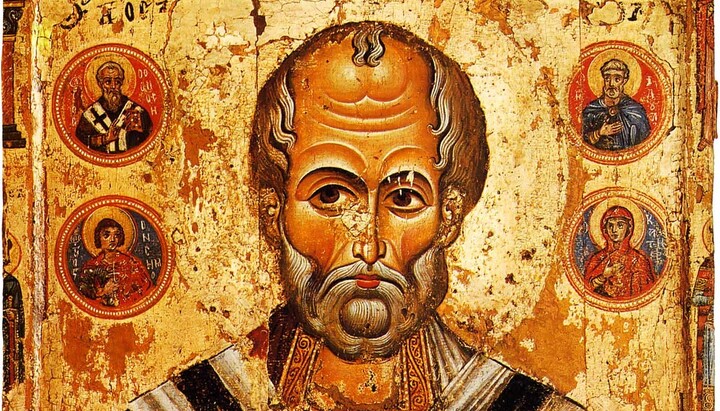
Icon of St. Nicholas. Photo: Pochaiv Lavra
On December 19, the Holy Church prayerfully honors the memory of St. Nicholas the Wonderworker, Archbishop of Myra in Lycia. The name of this miracle worker, a swift helper and intercessor for all who seek his aid, has been glorified throughout the earth, across many nations and peoples.
St. Nicholas was born in 270 in the town of Patara, located in the region of Lycia in Asia Minor, a Greek colony. The parents of the future archbishop were very wealthy but also devout Christians who actively helped the poor.
From childhood, the saint completely dedicated himself to faith, spending much time in the church. As he grew older, he became a reader and later a priest in the church where his uncle, Bishop Nicholas of Patara, served as the rector.
After the death of his parents, St. Nicholas distributed his entire inheritance to the poor and continued his service to the Church. In a time when the Roman emperors’ attitude toward Christians had become somewhat more tolerant, though persecutions still persisted, he ascended to the episcopal throne in Myra, now known as Demre in the Antalya province of Turkey.
Called to shepherd the Church of God as a bishop, St. Nicholas remained a great ascetic, exemplifying meekness, humility, and love for people to his flock. This was particularly precious for the Church of Lycia during the persecutions of Christians under Emperor Diocletian (284–305). Bishop Nicholas, imprisoned along with other Christians, supported them and exhorted them to endure imprisonment, torture, and suffering steadfastly. God preserved him unharmed. After the ascension of St. Constantine the Great, Equal-to-the-Apostles, to the throne, St. Nicholas was restored to his flock, who joyfully welcomed their mentor and defender.
Despite his great gentleness of spirit and purity of heart, St. Nicholas was a zealous and bold warrior for the Church of Christ. Striving against the forces of evil, he traveled through the pagan temples and shrines in Myra and its surroundings, destroying idols and reducing the sanctuaries to dust. In 325, St. Nicholas participated in the First Ecumenical Council, which adopted the Nicene Creed, and joined with the holy fathers of the Council, including Pope Sylvester of Rome, Alexander of Alexandria, Spyridon of Trimythous, and others among the 318 holy fathers, in opposing the heretic Arius.
Even during his lifetime, the saint became renowned for many miracles. He saved the city of Myra from a terrible famine through his fervent prayer to Christ. He prayed for sailors, saving them from shipwrecks, and delivered prisoners unjustly condemned from their confinement. A well-known story recounts how the archbishop saved three young women from disgrace by providing dowries for their marriages.
St. Nicholas the Wonderworker departed to the Lord between 345 and 351 − his exact date of repose remains unknown. His relics were incorrupt. Initially, they rested in the cathedral church of Myra, where he served as archbishop. They emitted myrrh, which healed believers from various ailments. Later, his relics were transferred to the city of Bari in Italy.
Lexo gjithashtu
Në Vatikan u mbajt koncert në kujtim të Patriarkut Ilia II
Kori i Qendrës Shtetërore të Muzikës së Batumit dha një koncert solo në kishën e Shën Agathës, me diplomatë nga 30 vende dhe përfaqësues të diasporës gjeorgjiane.
Pse ortodoksët festojnë Lindjen e Krishtit në data të ndryshme
Dallimi mes kalendarit julian dhe atij gregorian prek lutjen, agjërimin dhe kujtesën e kishës, duke ngritur pyetje mbi unitetin ortodoks.
Kronika e takimit të Kievit 2018 rihap debatin kishtar ukrainas
Dokumenti i publikuar nga UOJ America dhe kundërshtimet kanonike të Kishës së Shqipërisë kërkojnë një lexim të kujdesshëm të fakteve dhe interpretimeve.
Kishat Lokale dyshojnë për hirotonitë e KOU-së pas deklaratës së Dumenkos
Kreu i KOU-së tha se nuk do ta pranojë kurrë mungesën e gradës, ndërsa disa Kisha Ortodokse Lokale ngrenë çështjen e vazhdimësisë apostolike të hirotonive.
Të rinj ndërprenë një meshë katolike në Vjenë duke thirrur “Allahu Akbar”
Famullitari tha se nuk pati rrezik dhe se bëhej fjalë ndoshta për gjallëri rinore, ndaj nuk do të bëjë denoncim në polici.
Radev dhe Patriarku Bartolome diskutuan rolin e besimit për unitetin shoqëror
Kryeministri bullgar tha se feja ortodokse ruan vlerat morale dhe bashkon shoqërinë, gjatë takimit me Patriarkun Ekumenik në prani të Patriarkut Daniel.