Hegumen of Valaam: I would not dare to call any of living monks an elder
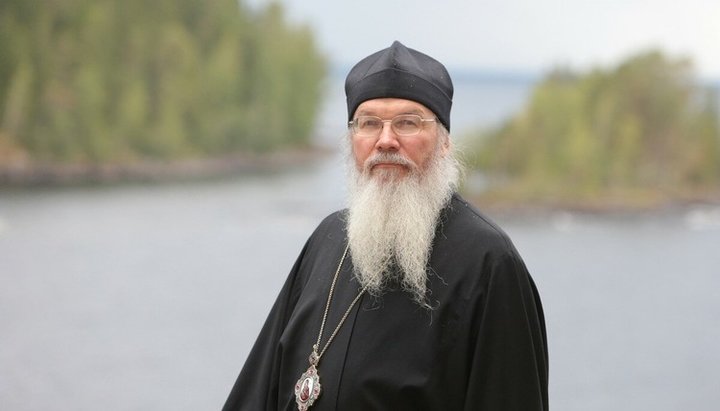
Hegumen of the Valaam Monastery, Bishop Pankraty of Troitsk. Photo: dev.valaam.ru
Those who are called elders in the Russian Orthodox tradition are now neither on Mount Athos nor on Valaam. The chairman of the ROC commission for the canonization of saints, the hegumen of the stavropegic Saviour Transfiguration Monastery of Valaam, Bishop Pankraty (Zherdev) of Troitsk said in an interview with RIA-Novosti.
“On Athos, at every step, you hear an ‘elder’ – ‘geronta’,” he said. “But they have a different understanding of the word – it is "a senior monk" of a monastery or a skete. In Russia, an elder is a person who is endowed not only with spiritual experience and common sense but also spiritual gifts, which are recognized by almost everyone who turns to him."
According to him, people who in the Russian Orthodox Church tradition are called elders "were (in the past – Ed.), but now I would not dare to call an elder a single person living today, at least those I know."
“Everyone reposed: Fr. Cyril in the Trinity-Sergius Lavra, Fr. John Krestyankin in Pechory, Elder Ephraim from Arizona. On Athos, too, everyone has already passed off, and there are no elders on Valaam, too. On the other hand, there are many negative examples of junior eldership or pseudo-eldership, when people assume the appearance of elders and begin to say that ‘this is the Will of God – act only this way’. They also refer to the Mother of God or saints. It is better to stay away from such people,” added Bishop Pankraty.
Therefore, according to the hegumen of the Valaam Monastery, for today’s time “life according to advice is safer and more correct than entrusting yourself to a person because you do not know what kind of person he is, although he can have a grey beard and may have lived in a monastery for many years."
Earlier Metropolitan Anthony (Pakanich), the UOC Chancellor, explained how to distinguish a real elder from an impostor and why pseudo-elders appear.
Lexo gjithashtu
Patriarku i Jeruzalemit uroi Gjeorgjinë për 1700-vjetorin e krishterimit
Theofili III theksoi trashëgiminë e krishterë gjeorgjiane, praninë e gjeorgjianëve në Tokën e Shenjtë dhe përgjegjësinë për brezat e ardhshëm.
Mitropoliti Onufri uroi Kishën Gjeorgjiane për 1700-vjetorin
Kreu i Kishës Ortodokse të Ukrainës i uroi Patriarkut Shio III dhe popullit gjeorgjian 1700-vjetorin e shpalljes së krishterimit fe shtetërore.
Papa Leoni XIV bekoi kullën e Krishtit të Sagrada Familias në Barcelonë
Kulla e Jezu Krishtit ka arritur 172,5 metra, një shekull pas vdekjes së Antonio Gaudit, ndërsa ndërtimi i bazilikës pritet të përfundojë në mesin e viteve 2030.
Pakistan: Gjykata e Lartë konfirmoi dënimin me vdekje për të krishterin Qaiser Ayub
Vëllai i tij më i ri, Amoon, u shpall i pafajshëm për mungesë provash, ndërsa Qaiser mbetet në burgun e Sahiwalit.
Arkeologët zbuluan në Jeruzalem ujësjellës që furnizonte Malin e Tempullit
Ujësjellësi i lashtë, ndërtuar nga Hasmonenjtë, sillte ujë nga burimet në jug të Betlehemit deri te Mali i Tempullit 2000 vjet më parë.
Deputetja e CDU-së paraqet ankesë ndaj emisionit të Böhmermann në ZDF
Caroline Bosbach i ka kërkuar Këshillit të Televizionit të ZDF-së të shqyrtojë shprehjet e Jan Böhmermann për Jezu Krishtin në emisionin „ZDF Magazin Royale“.